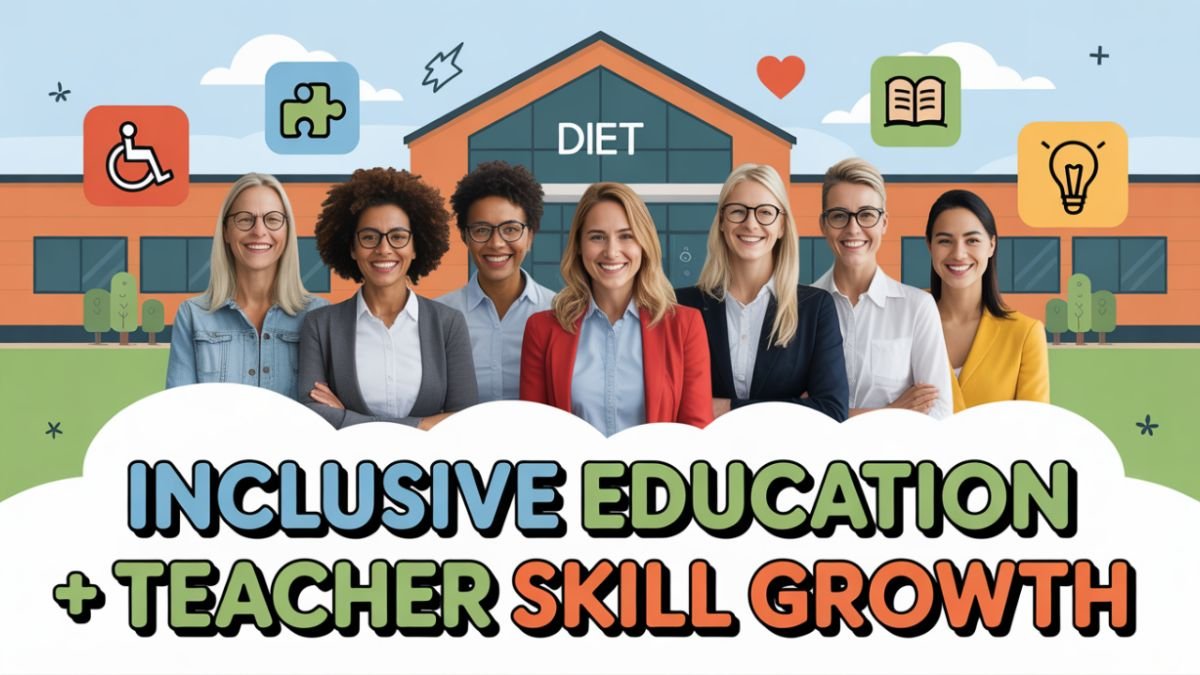
Inclusive education has become a cornerstone of modern teaching, ensuring that every child, regardless of their abilities or background, receives quality education. However, implementing inclusive education effectively requires trained and skilled educators who can adapt teaching methods to meet diverse student needs. In India, District Institutes of Education and Training, commonly known as DIET, play a pivotal role in promoting inclusive education while simultaneously focusing on teacher skill development. By providing specialized training, resources, and ongoing support, DIET equips teachers to create classrooms that are equitable, nurturing, and conducive to learning for all students.
The Role of DIET in Teacher Education
DIETs are government-established institutions designed to improve the quality of education at the district level. They act as hubs for teacher training, curriculum development, research, and educational innovation. One of the primary responsibilities of DIET is to provide pre-service and in-service training to teachers, enabling them to acquire skills essential for modern classrooms. This training does not only cover subject knowledge but also pedagogical strategies, classroom management, and teaching techniques specifically geared towards inclusive education. By focusing on both skill enhancement and inclusive practices, DIET ensures that teachers are prepared to meet the varied needs of their students.
Understanding Inclusive Education
Inclusive education is more than just placing children with diverse needs in the same classroom. It is an approach that emphasizes the participation, engagement, and learning of all students. Inclusive classrooms accommodate students with disabilities, learning difficulties, socio-economic challenges, and linguistic differences. To achieve this, teachers must be able to identify individual needs, differentiate instruction, and create learning experiences that cater to a wide range of abilities. Without proper training, even the most well-intentioned educators may struggle to implement inclusive practices effectively, which is where DIET’s role becomes critical.
How DIET Promotes Inclusive Education
DIET promotes inclusive education through structured training programs that focus on the principles and practices of teaching diverse learners. Teachers learn to identify barriers to learning, adapt lesson plans, and utilize teaching aids and technologies that support students with special needs. Training includes practical strategies for classroom management, peer learning, and collaborative teaching methods that foster an inclusive environment. By equipping teachers with these skills, DIET ensures that students who may otherwise be marginalized or overlooked are given equal opportunities to succeed academically and socially.
Teacher Skill Development: Building Competent Educators
In addition to supporting inclusive education, DIET plays a significant role in enhancing teacher competencies. Skill development programs cover a broad spectrum, including subject mastery, pedagogical techniques, assessment methods, and technology integration. Teachers receive hands-on training that allows them to experiment with innovative teaching practices, reflect on their teaching methods, and adopt approaches that are student-centered and effective. Skill development is continuous, ensuring that educators remain up-to-date with the latest educational research and best practices, which is crucial in an ever-evolving academic environment.
Training in Special Education and Learning Support
A key aspect of DIET’s work in inclusive education involves special education training. Teachers are trained to recognize learning disabilities, developmental delays, and other challenges that may hinder a student’s academic progress. DIET provides guidance on individualized education plans (IEPs), differentiated instruction, and adaptive teaching strategies that cater to students with varying abilities. This targeted support allows teachers to address specific needs, helping students overcome challenges and achieve their potential within the regular classroom setting.
Incorporating Technology in Inclusive Classrooms
Modern classrooms increasingly rely on technology to enhance learning, and DIET ensures that teachers are equipped to use digital tools effectively. Training programs often include instruction on assistive technologies, educational apps, and multimedia resources that can aid students with different learning styles. By integrating technology, teachers can provide personalized learning experiences, track student progress, and foster interactive and engaging classroom environments. DIET’s emphasis on technology not only supports inclusive education but also strengthens overall teacher competency in a digital age.
Continuous Professional Development Through DIET
Teacher skill development is not a one-time process. DIET emphasizes continuous professional development (CPD), which allows educators to update their skills, reflect on their teaching practices, and incorporate new methodologies. Workshops, seminars, and refresher courses provide teachers with opportunities to learn from experts, share experiences with peers, and stay informed about policy changes, curriculum updates, and innovations in inclusive education. Continuous learning ensures that teachers remain confident and capable in addressing the evolving needs of their students.
Collaboration and Peer Learning
DIET also encourages collaboration among teachers to promote professional growth and improve classroom practices. By facilitating peer learning and mentoring, teachers can share strategies for managing diverse classrooms, overcoming challenges, and implementing inclusive practices effectively. This collaborative approach not only enhances teacher skills but also fosters a sense of community and support within the education system, which ultimately benefits students.
Monitoring and Evaluation of Teacher Effectiveness
Another way DIET contributes to skill development is through systematic monitoring and evaluation. Teachers receive constructive feedback on their teaching methods, classroom management, and implementation of inclusive strategies. This feedback loop allows educators to identify strengths, recognize areas for improvement, and set goals for professional growth. Effective monitoring ensures accountability and encourages teachers to adopt evidence-based approaches that improve learning outcomes for all students.
Impact on Student Outcomes
The combined focus on inclusive education and teacher skill development has a direct impact on student learning. Teachers trained through DIET are better equipped to create supportive and engaging classrooms where students feel valued, respected, and motivated to learn. Inclusive practices reduce barriers to learning, encourage participation, and foster a positive classroom culture. As a result, students experience improved academic performance, enhanced social skills, and greater emotional resilience. DIET’s approach ensures that both teachers and students benefit from a holistic educational experience.
Challenges in Implementing Inclusive Education
While DIET provides essential support, implementing inclusive education is not without challenges. Teachers may encounter resource constraints, large class sizes, or a lack of specialized support staff. Additionally, shifting traditional mindsets to embrace inclusive practices can take time. DIET addresses these challenges by providing ongoing training, practical strategies, and policy guidance, helping teachers navigate obstacles while maintaining a focus on student-centered learning.
DIET’s Role in Policy and Curriculum Development
Beyond training, DIET also contributes to policy formulation and curriculum development that support inclusive education. By advising education departments, participating in research, and developing teaching materials, DIET ensures that inclusive practices are integrated into mainstream education. This holistic approach strengthens the education system and empowers teachers to implement effective, evidence-based strategies in their classrooms.
Preparing Teachers for Future Challenges
The education landscape is constantly evolving, with new teaching methods, learning technologies, and educational policies emerging regularly. DIET prepares teachers to adapt to these changes by equipping them with critical thinking, problem-solving, and leadership skills. Teachers trained through DIET are not only able to implement inclusive education effectively but are also prepared to lead initiatives, mentor colleagues, and contribute to continuous improvement in schools.
Conclusion
DIET plays a transformative role in Indian education by supporting inclusive classrooms and enhancing teacher skills. Through comprehensive training, professional development programs, and continuous support, DIET empowers educators to meet the diverse needs of students, improve teaching quality, and create equitable learning environments. The focus on skill development ensures that teachers remain competent, confident, and adaptable, while inclusive education practices ensure that every child has the opportunity to succeed. By bridging the gap between policy and practice, DIET not only strengthens the teaching workforce but also contributes to a more inclusive and effective education system for future generations.