
Daylight Saving Time, often shortened to DST, is one of those traditions that quietly shapes our daily lives, even if we don’t think about it much. Twice a year, millions of people adjust their clocks, their sleep schedules, and sometimes even their moods. The idea behind DST is simple: make better use of natural daylight by shifting an hour of sunlight from the morning to the evening during warmer months. In theory, this helps people enjoy longer evenings, saves energy, and aligns daily routines with daylight hours. In practice, it has become a topic of debate, confusion, and curiosity—especially as 2026 approaches.
When Do Clocks Fall Back in 2026?
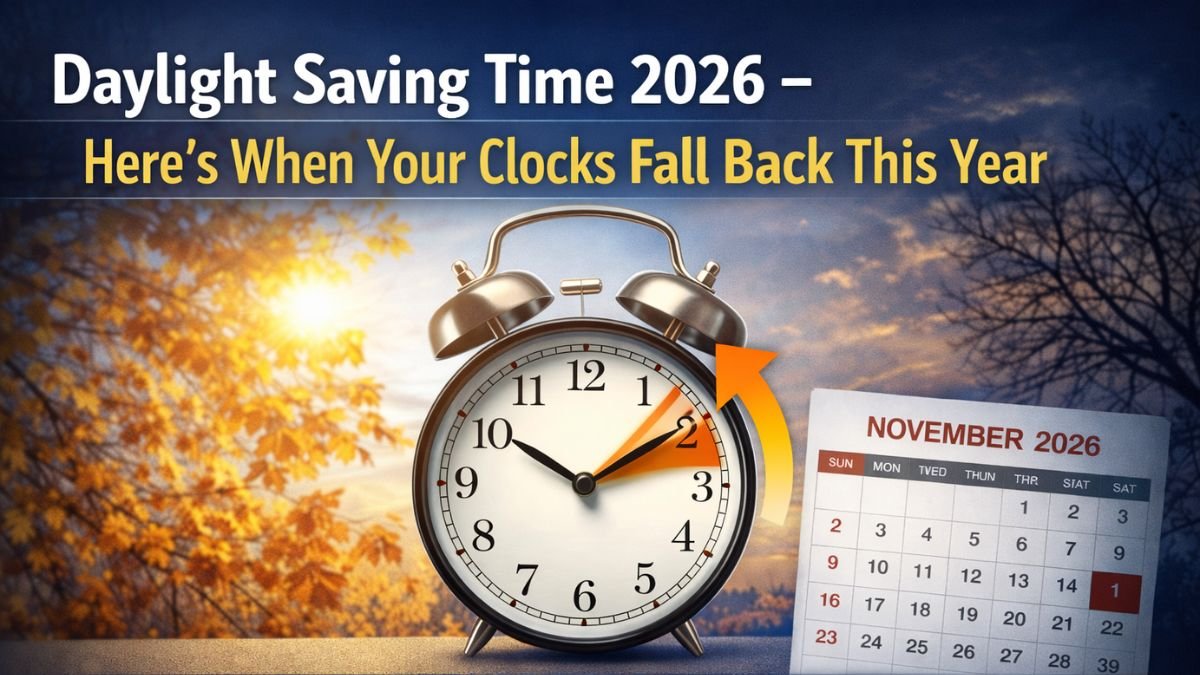
In 2026, Daylight Saving Time will come to an end on Sunday, November 1. On this day, clocks will be set back one hour at 2:00 a.m. local time, returning to standard time. This means that when the clock strikes 2:00 a.m., it will immediately shift back to 1:00 a.m. For many people, this change is welcome because it brings an extra hour of sleep. However, it also signals earlier sunsets and darker evenings as winter approaches.
What Happens When Daylight Saving Time Ends
When DST ends, mornings become brighter, while evenings grow darker sooner. This shift can feel subtle at first, but within a few weeks, the change becomes noticeable. People may find themselves leaving work in the dark or finishing errands under streetlights instead of sunlight. While the extra hour of sleep is often celebrated, the reduced daylight in the evening can affect mood, productivity, and daily routines, especially for those sensitive to seasonal changes.
The History Behind Falling Back
The practice of Daylight Saving Time has roots going back more than a century. It was first widely adopted during World War I as a way to conserve fuel by reducing the need for artificial lighting. The idea resurfaced during World War II and later became standardized in many countries, including the United States. Over time, the start and end dates of DST have shifted several times, reflecting changing attitudes toward energy use, work schedules, and lifestyle patterns. By 2026, DST remains in place largely due to tradition and the ongoing belief that it offers practical benefits.
How Daylight Saving Time Affects Daily Life
The end of Daylight Saving Time is more than just a clock change. It can influence sleep patterns, health, and overall well-being. Some people feel refreshed by the extra hour of rest, while others struggle to adjust to darker afternoons. Children may feel sleepy earlier in the evening, and adults may notice shifts in appetite or energy levels. For commuters, darker evenings can affect driving visibility, while brighter mornings may improve safety for students heading to school.
The Science of Sleep and the Time Change
Sleep experts often point out that the transition back to standard time is generally easier on the body than the spring shift forward. Gaining an hour of sleep can help reset circadian rhythms, at least temporarily. However, the reduced evening light can disrupt natural sleep cues, especially for those who rely on daylight to regulate their routines. In 2026, as in other years, experts recommend gradually adjusting bedtime schedules in the days leading up to the change to make the transition smoother.
Economic and Social Impacts of Falling Back
The end of Daylight Saving Time can also have economic implications. Retail businesses may see changes in shopping patterns as people spend less time outdoors in the evening. Restaurants and entertainment venues may notice earlier declines in foot traffic. On the other hand, brighter mornings can boost productivity in certain industries, particularly those that start work early. In 2026, these subtle shifts will once again remind us how closely timekeeping is tied to economic activity.
Energy Use and the Original Purpose of DST
One of the original arguments for Daylight Saving Time was energy conservation. By extending daylight into the evening, people would theoretically use less electricity for lighting. However, modern studies suggest that the energy savings are minimal, especially with today’s efficient lighting and widespread use of electronics. As clocks fall back in 2026, debates will likely continue about whether DST still serves its original purpose or if it has become outdated.
Regional Differences and Exceptions
Not all regions observe Daylight Saving Time. In the United States, states like Arizona and Hawaii do not participate, while other countries have abolished the practice altogether. This creates a patchwork of time zones and schedules that can be confusing, especially for travelers and businesses operating across borders. In 2026, as clocks fall back in most parts of the U.S., these regional differences will once again highlight the complexity of global timekeeping.
Daylight Saving Time and Mental Health
The transition out of DST can have psychological effects, particularly for those prone to seasonal affective disorder or mood changes related to light exposure. Shorter days and longer nights can lead to feelings of fatigue, low motivation, or sadness. Mental health professionals often encourage people to seek natural light during the day, stay physically active, and maintain social connections to counteract these effects. As 2026 approaches, awareness of these challenges continues to grow.
Public Opinion and the Push for Change
In recent years, public opinion has increasingly questioned the necessity of Daylight Saving Time. Many people find the biannual clock changes disruptive and unnecessary. Lawmakers in several regions have proposed ending the practice altogether or adopting permanent daylight or standard time. While no nationwide change is expected by 2026, the ongoing debate suggests that the future of DST remains uncertain.
How to Prepare for the Time Change in 2026
Preparing for the end of Daylight Saving Time doesn’t have to be stressful. Simple steps like adjusting sleep schedules gradually, ensuring good lighting in the home, and planning outdoor activities earlier in the day can help ease the transition. Parents may want to help children adjust bedtime routines, while adults can benefit from maintaining consistent wake-up times. These small adjustments can make a noticeable difference when clocks fall back.
Technology and Automatic Clock Changes
One advantage of modern technology is that many devices automatically adjust for Daylight Saving Time. Smartphones, computers, and smart home systems typically update without user intervention. However, manual clocks, appliances, and vehicles may still need to be adjusted. In 2026, it’s worth taking a moment to check all timekeeping devices to avoid confusion or missed appointments.
Cultural Significance of Falling Back
Beyond its practical effects, the end of Daylight Saving Time carries cultural significance. It often marks the transition into late autumn and the approach of winter holidays. Shorter days, cooler temperatures, and changing routines all contribute to a sense of seasonal shift. For many people, falling back feels like a signal to slow down, spend more time indoors, and embrace the quieter pace of winter.
Looking Ahead: What Comes After DST Ends
Once Daylight Saving Time ends in November 2026, standard time will remain in effect until the clocks spring forward again in March 2027. This period of standard time is often associated with stability and routine, as there are no clock changes to disrupt schedules. It also provides a chance to reflect on how timekeeping affects daily life and whether current practices truly serve modern society.
Final Thoughts on Daylight Saving Time 2026
As Daylight Saving Time comes to an end in 2026, the simple act of turning clocks back will once again spark conversations about tradition, science, and the rhythm of modern life. Whether you welcome the extra hour of sleep or dread the early sunsets, the change serves as a reminder of how deeply time influences our routines and well-being. Understanding when and why clocks fall back can help make the transition smoother and more meaningful, allowing us to adapt with awareness rather than frustration.