
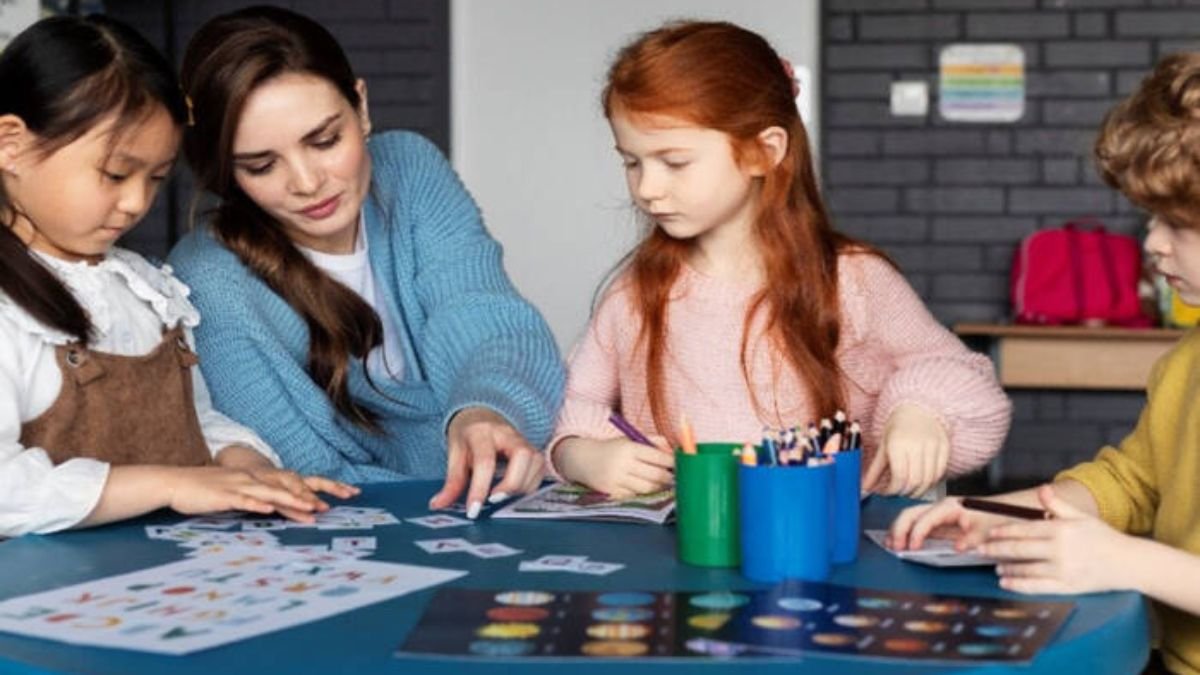
Elementary teaching is one of the most influential professions in society because it shapes children at their most formative stage. At this age, students are not only learning how to read, write, and solve problems, but also discovering how to express emotions, build relationships, and understand themselves. While academic knowledge is important, it is not enough on its own. Teachers who understand child psychology are better equipped to connect with students, manage classrooms effectively, and support emotional well-being. Child psychology training helps elementary teachers see beyond surface behavior and respond to children with empathy, insight, and confidence.
Understanding Child Psychology in the Elementary Years
Child psychology focuses on how children think, feel, behave, and develop emotionally and socially. During elementary school years, children undergo rapid cognitive and emotional changes. They develop self-esteem, learn social norms, and begin forming attitudes toward learning that often last a lifetime. Without proper psychological understanding, teachers may misinterpret behavior such as restlessness, silence, or defiance. Child psychology training allows educators to recognize developmental patterns and understand that many classroom behaviors are expressions of unmet emotional or psychological needs rather than intentional misbehavior.
Building Strong Teacher-Student Relationships Through Psychological Insight
One of the greatest benefits of child psychology training is the ability to build trust-based relationships with students. When children feel understood and respected, they are more likely to participate, ask questions, and take academic risks. Teachers trained in child psychology learn how to listen actively, communicate effectively, and validate children’s emotions. This creates a safe classroom environment where students feel valued. Strong teacher-student relationships not only improve academic performance but also foster emotional security and confidence in young learners.
Managing Classroom Behavior With Empathy and Structure
Classroom management is often one of the biggest challenges for elementary teachers. Traditional discipline methods may control behavior temporarily but fail to address underlying causes. Child psychology training teaches educators to identify why certain behaviors occur, such as attention-seeking, anxiety, or frustration. With this understanding, teachers can respond with strategies that promote self-regulation rather than fear or punishment. When children feel guided instead of judged, behavioral issues decrease and positive habits are reinforced.
Supporting Emotional and Social Development in Early Education
Elementary school is where children learn how to manage emotions, cooperate with peers, and resolve conflicts. Teachers play a critical role in guiding this development. Child psychology training equips educators to recognize emotional struggles such as stress, insecurity, or social withdrawal. By responding appropriately, teachers can help children develop emotional intelligence, resilience, and healthy coping mechanisms. These skills are just as important as academic knowledge and contribute significantly to long-term success.
Identifying Learning Differences and Special Needs Early
Not all children learn in the same way or at the same pace. Some may struggle with attention, memory, language, or emotional regulation. Child psychology training helps teachers identify early signs of learning differences, developmental delays, or behavioral disorders. Early identification allows for timely intervention, reducing frustration for both students and teachers. When educators understand psychological development, they can adapt teaching methods and collaborate with parents and specialists more effectively.
Enhancing Teaching Methods Through Psychological Understanding
Understanding how children learn enables teachers to design lessons that match students’ developmental stages. Child psychology training provides insights into attention spans, motivation, memory, and problem-solving abilities. Teachers can use this knowledge to create engaging lessons that hold students’ interest and improve retention. When instruction aligns with how children process information, learning becomes more enjoyable and effective. This psychological awareness transforms teaching from routine instruction into meaningful engagement.
Creating an Inclusive and Supportive Classroom Environment
Diversity in classrooms extends beyond culture and language to include emotional backgrounds, learning abilities, and family experiences. Child psychology training helps teachers appreciate these differences and respond with sensitivity. An inclusive classroom acknowledges each child’s individuality and fosters mutual respect. When teachers understand psychological diversity, they are better prepared to support children from challenging home environments or those facing emotional difficulties. This inclusivity promotes fairness, understanding, and collaboration among students.
Reducing Teacher Stress and Burnout
Teaching young children can be emotionally demanding, especially when dealing with behavioral challenges or learning difficulties. Without proper training, teachers may feel overwhelmed, frustrated, or ineffective. Child psychology training provides practical tools for managing stress and understanding student behavior without personalizing challenges. When teachers feel equipped to handle emotional and behavioral situations, their confidence increases and burnout decreases. A psychologically informed teacher is more resilient and better able to sustain long-term professional satisfaction.
Strengthening Communication With Parents and Guardians
Effective education relies on strong partnerships between teachers and families. Child psychology training enhances teachers’ ability to communicate with parents about a child’s emotional, behavioral, or learning needs. Instead of focusing only on problems, teachers can explain developmental stages and suggest supportive strategies. This collaborative approach builds trust and ensures consistency between home and school environments. When parents and teachers work together with psychological understanding, children benefit from unified support.
Preparing Students for Lifelong Learning and Emotional Health
The elementary years lay the foundation for how children view learning and themselves. Teachers trained in child psychology help students develop curiosity, confidence, and emotional resilience. Children who feel supported and understood are more likely to enjoy learning and persist through challenges. These early experiences influence academic motivation, social skills, and mental health well into adulthood. By understanding child psychology, teachers contribute to shaping emotionally healthy and motivated individuals.
The Role of Child Psychology Training in Modern Education
Modern education recognizes that academic success cannot be separated from emotional well-being. Schools today face increasing challenges related to student mental health, attention difficulties, and social pressures. Child psychology training equips elementary teachers to meet these challenges with professionalism and compassion. It bridges the gap between teaching content and nurturing the whole child. As education evolves, psychological understanding becomes a core component of effective teaching rather than an optional skill.
Conclusion
The importance of child psychology training for elementary teachers cannot be overstated. It empowers educators to understand, support, and inspire young learners during their most critical developmental years. By fostering emotional awareness, effective communication, and inclusive practices, child psychology training enhances both teaching quality and student outcomes. When teachers understand the minds and emotions of children, classrooms become spaces of growth, safety, and curiosity. Investing in child psychology training is ultimately an investment in the future of education and the well-being of generations to come.